
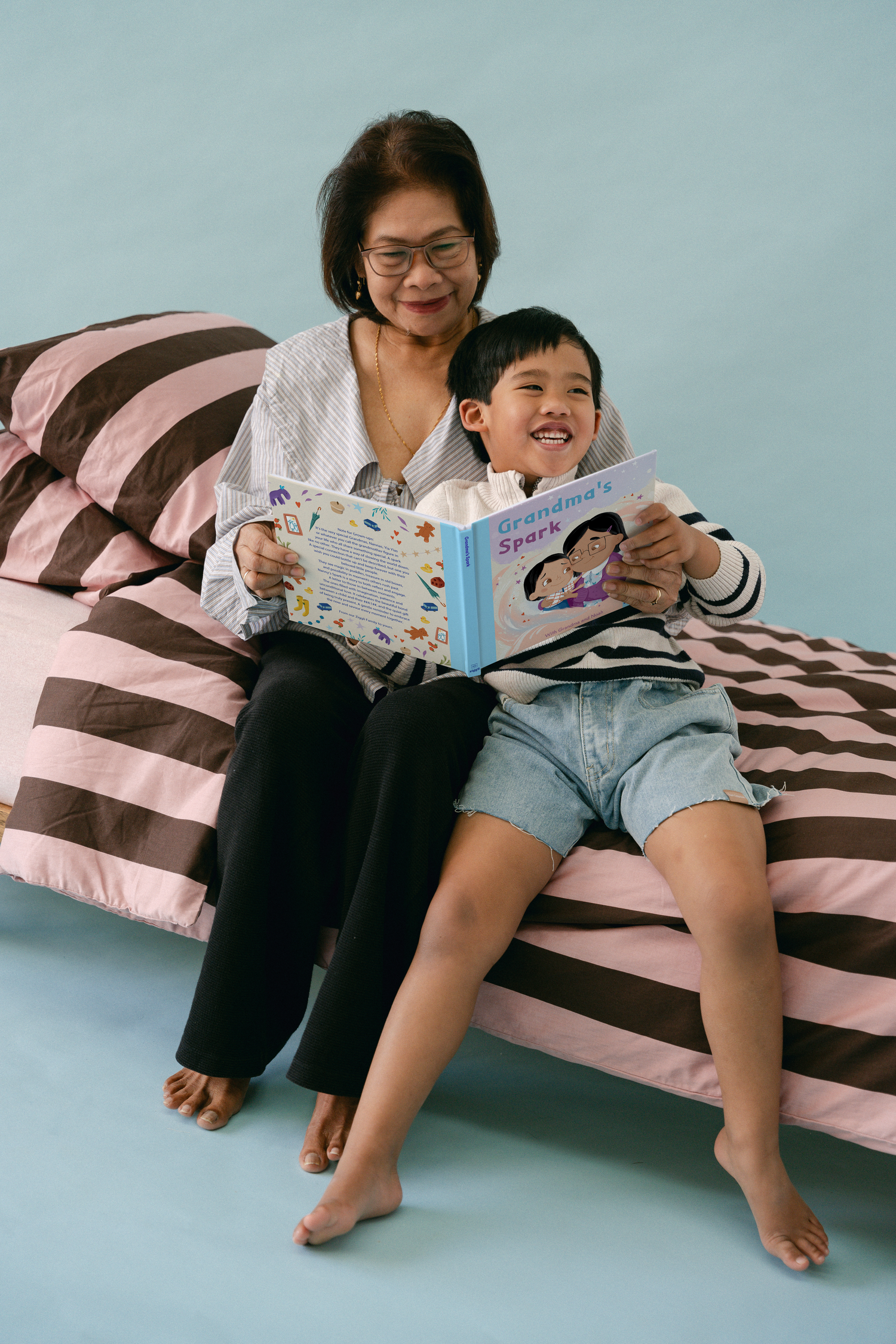
You have a book somewhere, from your own childhood. In a box, on a shelf, or in a bedroom you no longer sleep in. You know exactly which one. The cover is worn in a way that is particular to you, from the spot where you held it. You can still hear the voice that read it to you.
That is a keepsake children's book. It is a different object from the one that gets read twice and ends up face-down under the couch.
The difference comes down to the story and what it is made from, and whether your child sees themselves inside it.
The story has to hold up after thirty reads
A book becomes a keepsake through repetition. Children ask for the same story night after night, week after week, until the pages have fingerprint oil on the corners and you can recite the words without looking. The test of a keepsake children's book is whether the writing stays interesting on read thirty as it was on read one, for the child and for the adult in the room.
You notice flat writing fast. Prose built around rhyme for rhyme's sake, or a narrative that resolves before the child has time to feel anything, loses engagement after a handful of reads. A story worth keeping has rhythm children feel before they understand it, and language specific enough to create pictures in their mind that stay.
"She picked the same book for three months. Every night, the same pages. I started to dread it, then found myself noticing something new in the writing each time. That is when I understood that a good children's book is for the adult in the room too."
For personalised children's books, this is the standard that matters most. A child's own name appearing throughout the text creates immediate connection, but the story underneath has to earn the repeat reads on its own terms.
The materials have to survive childhood
A book read at bedtime every night for three years takes a lot of handling. Pages turn from damp hands. Corners take knocks from beds and floors. A softcover with thin paper shows this within months. A well-produced hardcover with quality paper stock can carry those same sessions and come out with character rather than damage.
Heirloom books for kids do not survive through sentimentality. They survive through paper weight and binding quality.
What to look for in printing quality
FSC-certified paper means the materials come from responsibly managed forests. Australian printing means shorter transit, tighter quality control, and faster delivery to your door. A hardcover with a spine sewn rather than glued holds together through se details matter more than they sound when the book is being read every night for two years.
Ziggli prints all books in Australia on FSC-certified paper. The production gives ildren's book quality that makes the difference between a gift opened once and a book that earns its spot on the shelf.
Your child has to see themselves inside it
A book becomes a keepsake when a child claims it. They reach for it by title, by the feel of it in their hands, by the cover they recognise from across the room. The fastest path to that level of ownership is personalisation.
When a child finds their own name on the first page, and then again on page three, a sentence describing something they would do, they stop reading the book as a book.They read it as their story. It's the same effect we unpack in why personalised books help children see themselves in stories.
"He pointed at his name the first time we read it. Then he pointed at the character. "That's me," he said. He was eighteen months old. He asked for it by name for the next year and a half."
According to researcher Natalia Kucirkova, children show greater engagement and bey read books featuring their own name (Kucirkova et al., 2013). The attachment a child forms with a personalised story goes beyond the novelty of seeing their name in print.
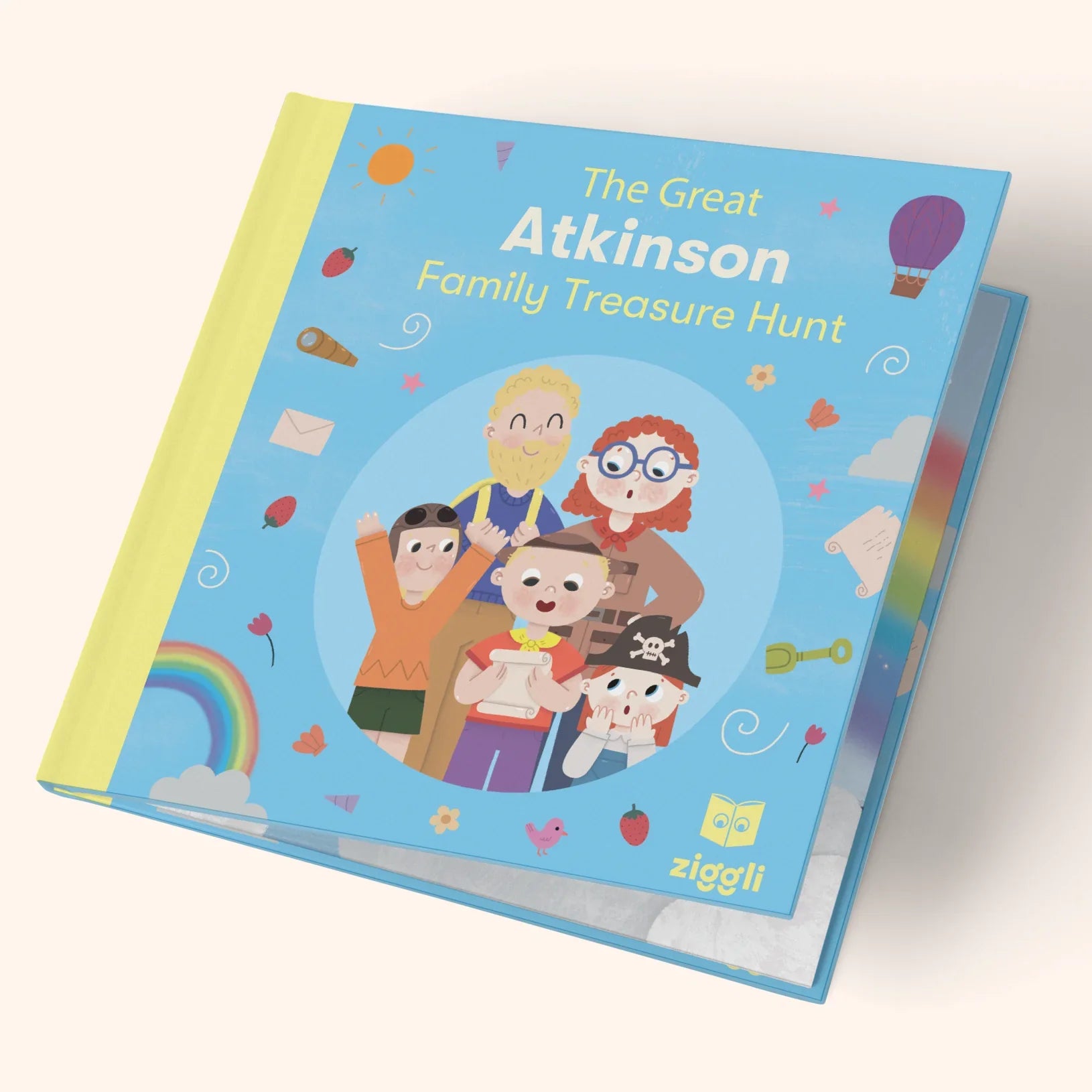
You build each Ziggli book using the online customiser. You choose the name, pick a character that reflects your child, and the story assembles around those choices. The personalisation runs through the entire book, not just the title page.
A keepsake holds a version of your child
A book that lasts does something beyond surviving. It holds a record of your child at a particular age. A book given at three, read for two years, found again at eight, carries a version of who they were and who loved them then.
Some bedtimes blur together. The one where you read the same book for the hundredth time, with them heavy against your shoulder and almost asleep, asking for one more page and then one more, stays with you. That is where the keeping happens.
"She is twelve now. She still has it on her shelf. Not because she reads it anymore. Because it is hers."
The right book, made with care and their name in the right place, read in a warm r them, builds into something that outlasts the little years.
Their story starts with you
Build a personalised book that earns night after night.
See our keepsake formats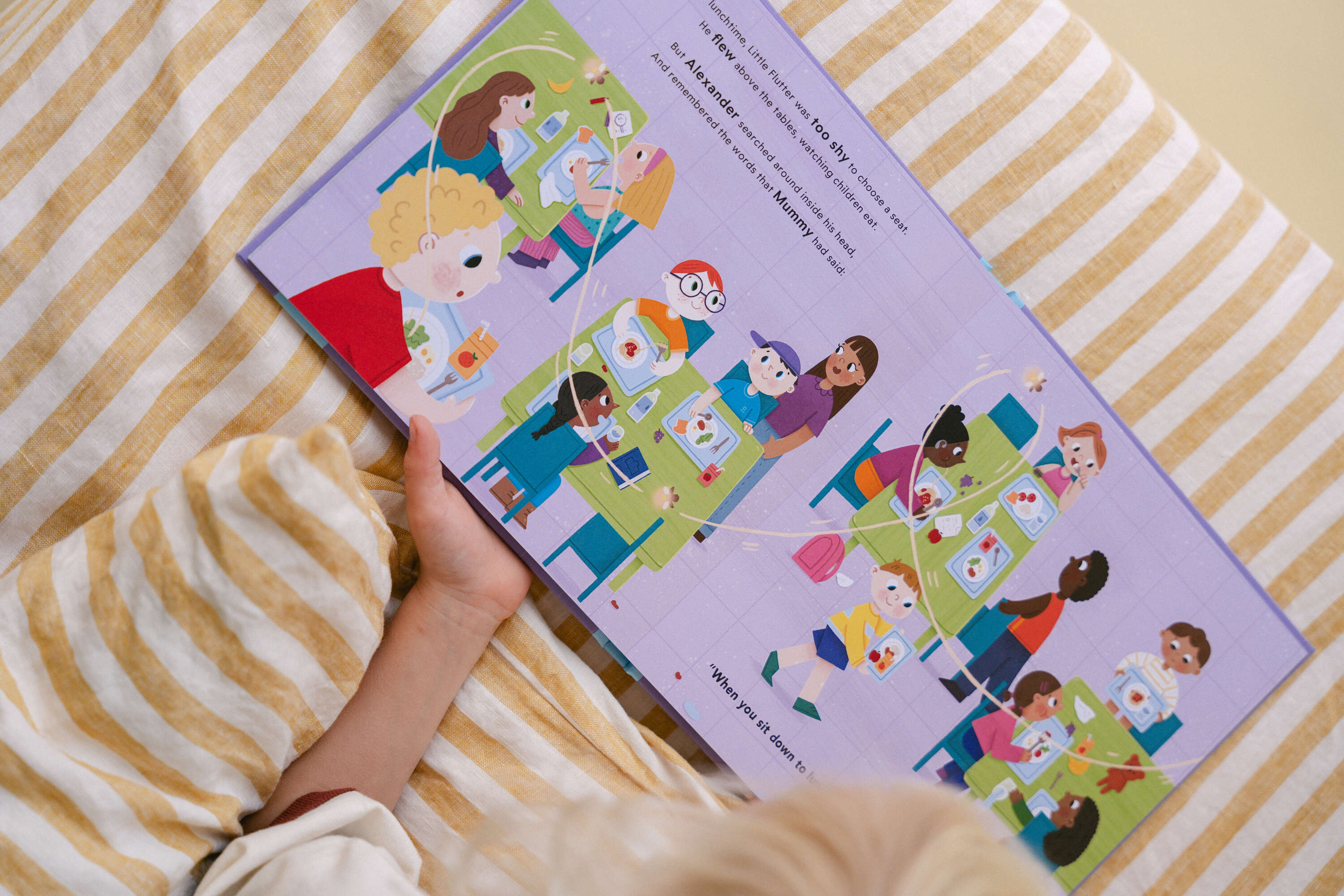

Leave a comment
This site is protected by hCaptcha and the hCaptcha Privacy Policy and Terms of Service apply.