The name on the page
Your child opens a book and finds their name on the first page. Their eyes go wide. They look up at you, then back at the page, running a finger under the letters they're still learning to recognise. They haven't reached the second page, and they're in the story.
Parents across Australia who buy personalised children's books tell us about this moment more than any other. The character's name matches their child's. The face on the page looks like their child's face. Their child engages with a personalised story in a way they don't engage with a book about a stranger, and that shift carries weight for early reading development.
The personalised children's books benefits parents describe go beyond novelty. Your child returns to the book night after night. They memorise sections. They point out details in the illustrations. They treat the book as theirs in a way that changes how they feel about reading itself.
Books as mirrors
In 1990, education scholar Rudine Sims Bishop described children's books as mirrors and windows. A window lets a child look into someone else's life. A mirror lets them see their own. Children need both, according to Sims Bishop, but the mirror serves a specific purpose: a child who sees themselves reflected in a story builds a stronger sense of identity and belonging.
Most children's books offer windows. Your child reads about characters with different names in unfamiliar settings, living through adventures they watch from the outside. The mirror, the book where your child opens the cover and thinks "this one is about me," is harder to find on a library shelf. You can create that mirror with a personalised book. You build it to match your child, and they see themselves from page one.
The personalised children's books benefits researchers have studied start here, at the mirror. Your child's name and face appear on the page, and they read as a participant. Your child lives the story. They point to the character and say "that's me," and the gap between reader and character closes. For children seeing themselves in books for the first time, this moment can reshape their whole relationship with reading.
The research behind the recognition
Natalia Kucirkova, a professor of reading and communication at the University of Stavanger, has studied the effects of book personalisation on children for over a decade. Her 2017 paper in the journal Education Sciences found that children show greater engagement and better story recall when they read books featuring their own name and likeness. Among the personalised children's books benefits Kucirkova documented: longer reading sessions and more frequent requests to re-read the same book.
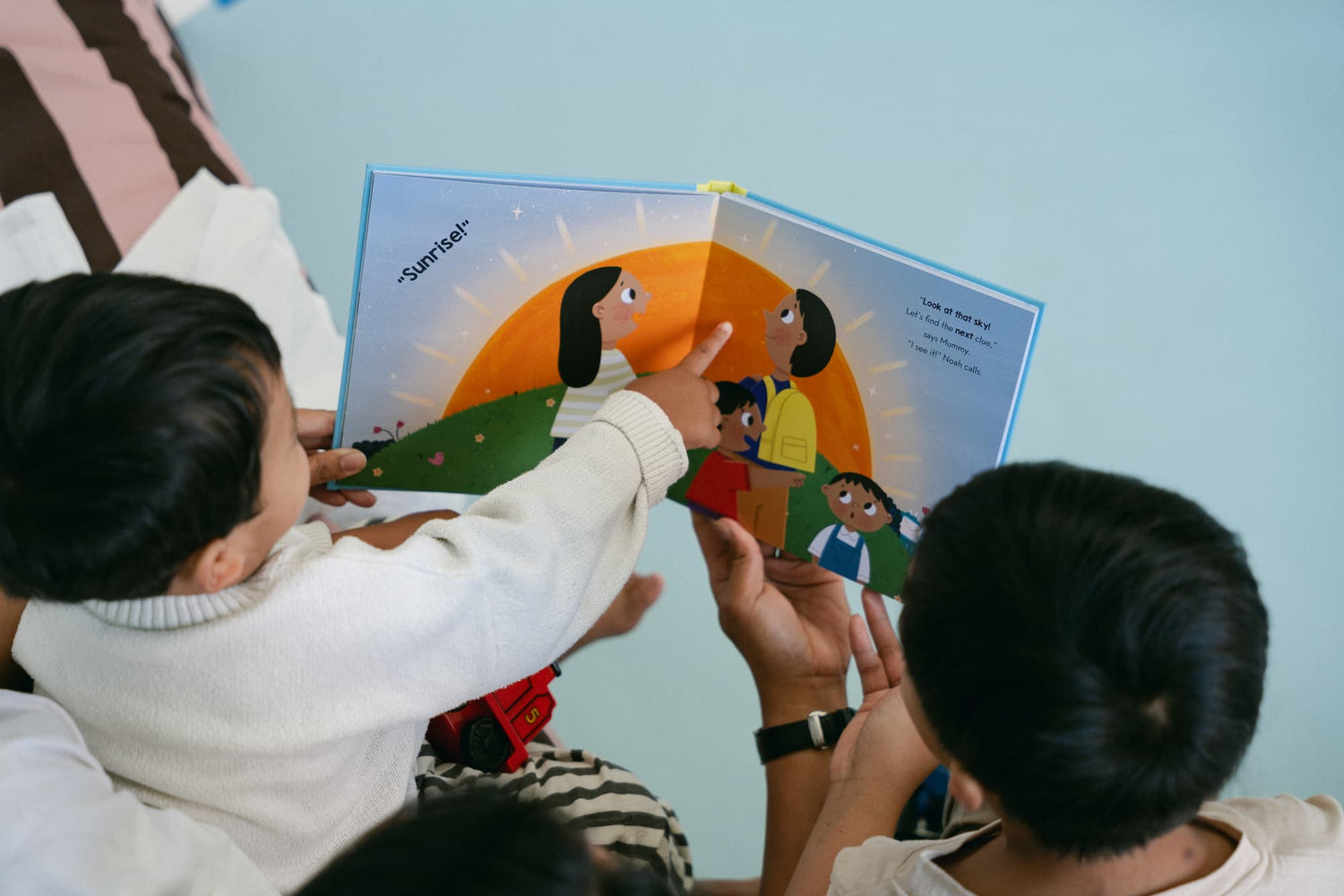
You see this at bedtime. Your child doesn't rush to turn the page. They stop to find themselves in the illustration. They point to their name and read it aloud. They ask to go back. Their interest in the story feeds their practice with reading, and their practice reinforces their interest. Parents notice this loop within the first few readings. The book your child asks for at bedtime, the one they pull from the shelf before you've even sat down, is doing more for their literacy than the one you chose for them.
A 2019 study by Kucirkova and her colleagues, published in the Journal of Early Childhood Literacy, also found that children showed more ownership over personalised books, treating them as prized possessions. Children who felt ownership over a book returned to it more often, and repetition is one of the strongest drivers of early reading progress (according to literacy researchers Anne Cunningham and Keith Stanovich, whose 1998 paper in the Journal of Direct Instruction documented the link between reading volume and reading skill).
The practical takeaway for parents: a book your child wants to re-read is worth more for their reading development than a shelf full of books they ignore. Personalised books in Australia from publishers such as Ziggli earn that repeat reading because your child has a reason to return, their own name and face on the page.
Representation they can hold in their hands
Representation in kids books has expanded in recent years, but gaps remain. According to the Cooperative Children's Book Center at the University of Wisconsin-Madison, books featuring characters from underrepresented backgrounds still make up a fraction of total publishing output in English-speaking markets. Your child might not find a character in the local library who shares their name and their skin colour.
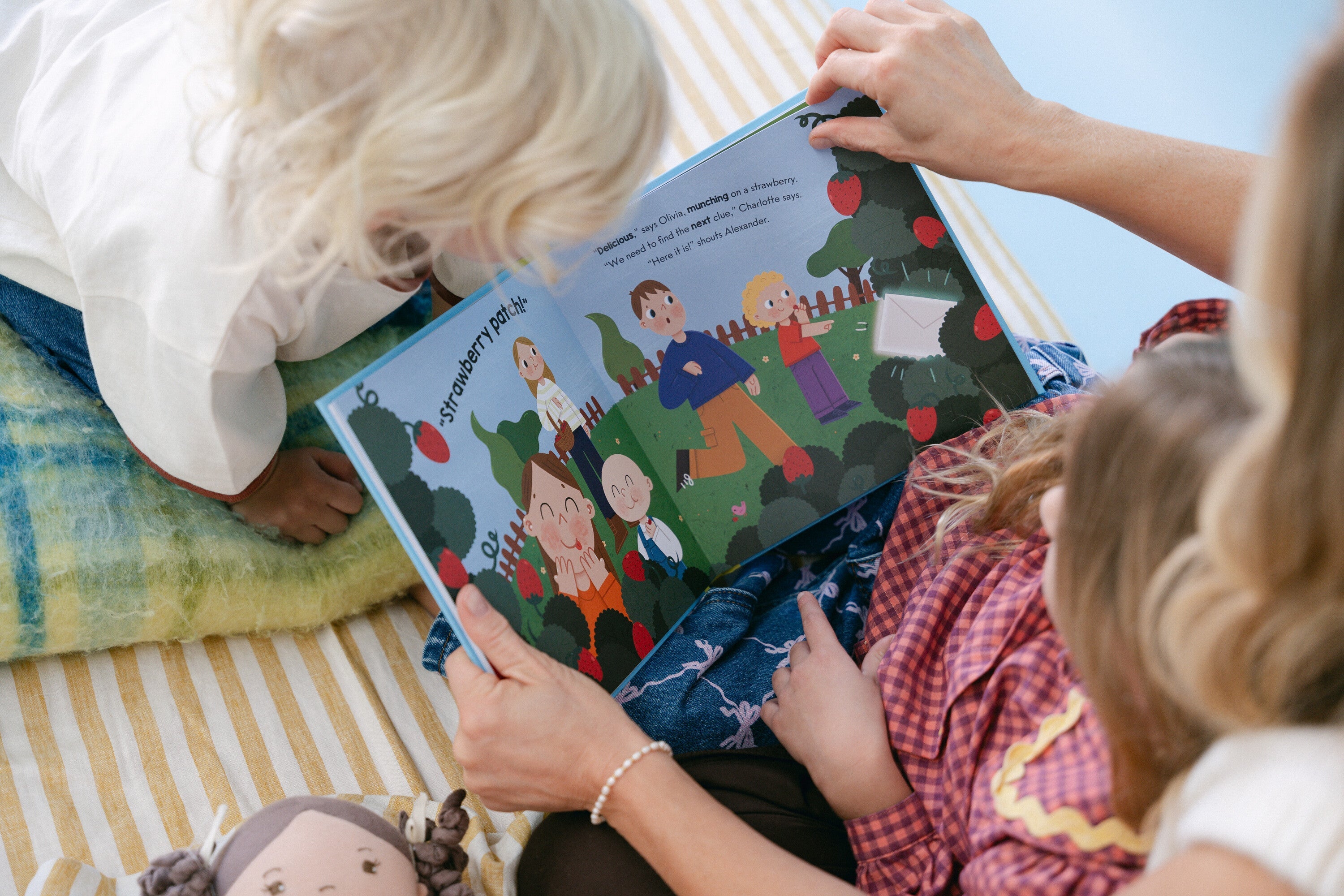
Personalised books in Australia from Ziggli address this because you, the parent, build the book yourself. You choose the child's name and appearance. You choose who the grown-ups are. You build the family on the page to match the family at home. A child with two mums sees two mums in the story. A child raised by their grandparent sees their grandparent in the illustrations. You shape the book to reflect the life your child knows, and your child feels like they belong in stories because someone built one around them.
Representation in kids books matters because it shapes how children understand their place in the world. A child who opens book after book and never sees anyone who looks like them starts to absorb a quiet message about whose stories get told. You can interrupt that pattern with a single personalised book. Your child opens the cover and sees themselves. This story is mine.
The word they recognise first
Your child's name is the first word they learn to recognise in print. Literacy educator Donald Bear and colleagues documented this in their well-known text "Words Their Way": before children can decode full words, most of them recognise the letter pattern of their own name. You can use this built-in starting point with a personalised book.
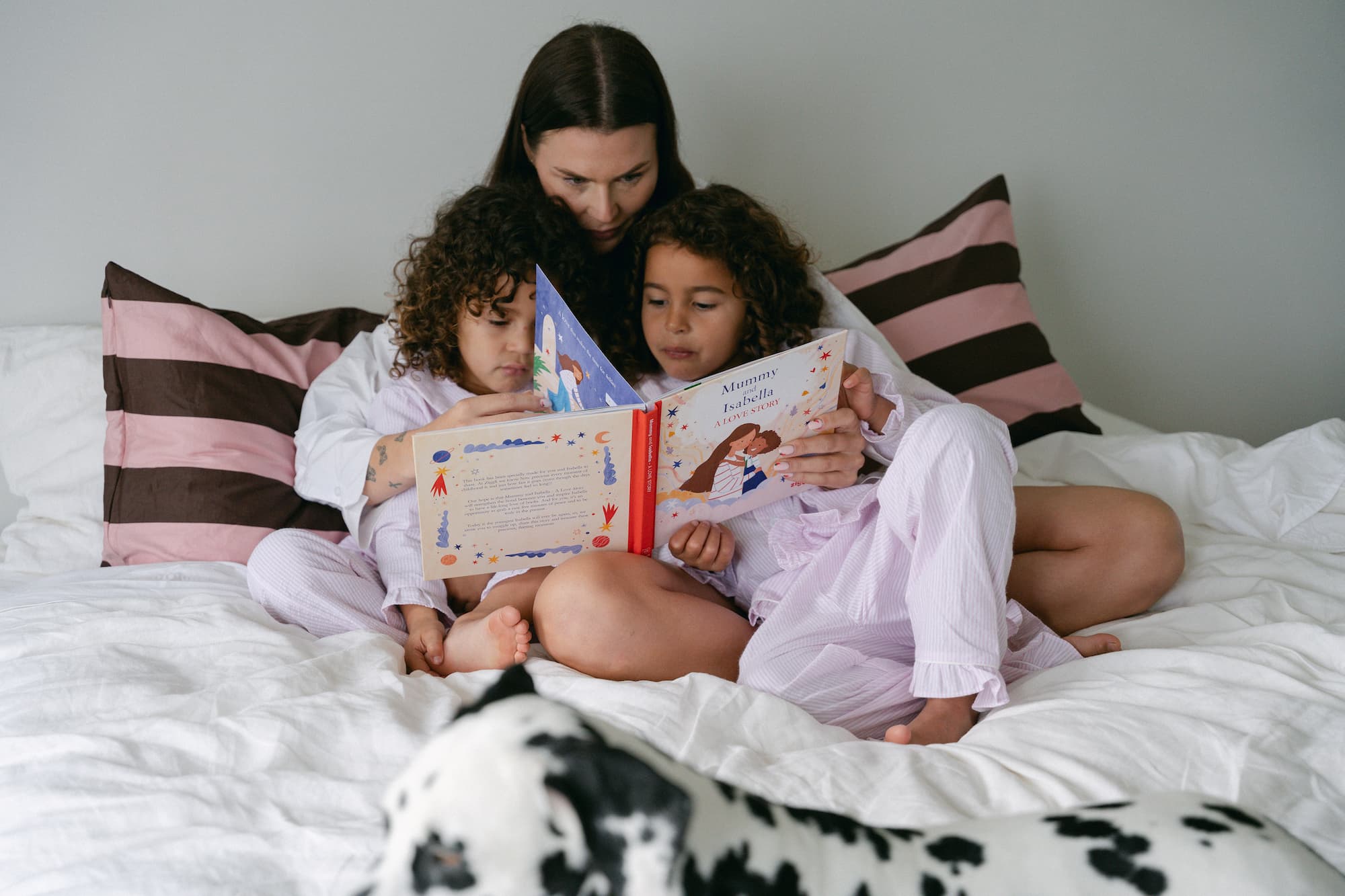
You read the book aloud at bedtime. Your child hears their name in the story and looks for it on the page. They trace the letters with a finger. They match what they hear to what they see. Over time, they start anticipating where their name appears, recognising the letter pattern before you read it aloud. You've given them a reading tool and a bedtime companion in the same cover, one of the most practical personalised children's books benefits for parents who want to support early literacy without turning bedtime into a lesson.
Children seeing themselves in books and hearing their own name read aloud creates a bridge between listening and reading. Your child crosses that bridge at their own pace, and the familiar name keeps drawing them back to the page. Over weeks and months, you'll notice them reading ahead of you, anticipating where their name appears next, sounding out the letters before you get there. Bedtime becomes a reading lesson that neither of you planned, wrapped in a story your child chose because it felt like theirs.
Beyond bedtime
Your child takes a personalised book further than bedtime. Parents tell us their child brings the book to show-and-tell and keeps it on the bedside table for months. Your child carries it to the grandparents' house and reads it to younger siblings or cousins. They open it to show a friend: "Look, that's me." They've folded the book into how they see themselves, a possession that tells them who they are and where they fit.
Personalised books in Australia are available from several publishers, but the ones your child returns to share two qualities: strong illustration and a story that resonates beyond the novelty of seeing their name. Ziggli's collection focuses on both. You build the book using the online customiser, choosing the characters and the name. You end up with a keepsake your child will reach for long after you first read it together.
The personalised children's books benefits don't expire after the first reading. Your child re-reads the book at age three and again at five, noticing different things each time. You gave them a book that meets them where they are, no matter when they pick it up.
Building their book
You can start at the Ziggli collection and pick a book that fits your child's stage and your family's story. You use the online customiser to choose appearance and name, then add a dedication message if you'd like. A few minutes of building, and your child has a book with their face on the cover and their name inside the adventure. You built the mirror. Your child sees themselves in it.
Families across Australia have used Ziggli's personalised books for birthdays and bedtime comfort. The reaction is consistent: your child spots their name on the cover and pulls the book close.
Your child deserves to open a book and see someone who looks like them and carries their name. Create your personalised book and give them a story made for them. You choose the details. They get the mirror.

Leave a comment
This site is protected by hCaptcha and the hCaptcha Privacy Policy and Terms of Service apply.