Celebrating all kinds of families in children's books
Your child picks up a book at the library. They find the family on the cover, look at the grown-ups in the illustration, then look up at you. The shapes don't match.
That moment passes quickly for a child who sees families like theirs everywhere. For plenty of Australian kids, it sits with them longer than the story does.
Inclusive children's books Australia has produced in recent years are getting closer to the full picture, but the average picture book shelf still skews toward one kind of family. This piece looks at the shapes families take, what good representation does for a child, and one book that puts your actual family inside the story as the heroes.
Your child finds the family on the cover. They look at the grown-ups. They look back at you. The shapes don't match. That single moment is the case for a better bookshelf.
Families look different. Books often don't.
Australian families come in more shapes than ever before. Two mums. A dad on his own. Grandparents raising grandkids. Blended households where children have three sets of grandparents and two kitchens they call home. Families built through adoption. Families led by a single parent who is doing the work of two.
Education scholar Rudine Sims Bishop described children's books as mirrors, windows, and sliding glass doors. A mirror reflects your child's own life back to them. A window shows them other lives they haven't lived. Children whose families look different from the books on the shelf spend a lot of time at windows, waiting for a mirror that doesn't come.
That gap has consequences. Bishop's framework, published in 1990 and still widely applied in early childhood education, points to a consistent pattern: children who rarely see their family structure in books absorb the quiet message that their family sits outside the story. That message doesn't need to be stated to be felt.
On mirrors and windows
Education researcher Rudine Sims Bishop found that children who see families like theirs in books develop a stronger sense that they belong in the world of reading. Children who don't see themselves can internalise that absence as a signal about who stories are for. Her framework remains one of the most-cited frameworks in children's literature research.
The specific shapes families take
A good inclusive children's book doesn't make diversity its theme. It treats different family structures as unremarkable, because they are. Your family is normal. A picture book should treat it that way.
The family shapes worth looking for in the books you bring home:
Two-parent families in any combination. Two mums or two dads. A mum and a dad. The mix matters far less than seeing grown-ups who love the child at the centre of the story.
Single-parent households. Single parents lead roughly one in five Australian families with dependent children, according to the Australian Bureau of Statistics. Their children deserve to see themselves as the hero of a story, not an exception to one.
Blended and extended families. Step-parents, bonus grandparents, siblings who live part of the week at a different address. These families carry a particular warmth that fiction rarely captures well.
Grandparent-led homes. Grandparents raising their grandchildren full-time are some of the most committed parents in Australia. Picture books seldom give them a starring role.
The best inclusive children's books in Australia don't announce any of this. They show a family doing ordinary things: packing a bag, cooking dinner, going on an adventure together. The composition of that family lives in the illustrations and names, not in a lesson the book is trying to teach.
The best books don't signal that a family is different. They show a child being loved by the people in their life. The composition is background. The love is the foreground.
A book where your family does the adventuring
Most picture books about families feature a fixed cast. Your child reads about someone else's mum, someone else's grandparents, someone else's crew. The story is fine. But it belongs to a different family.
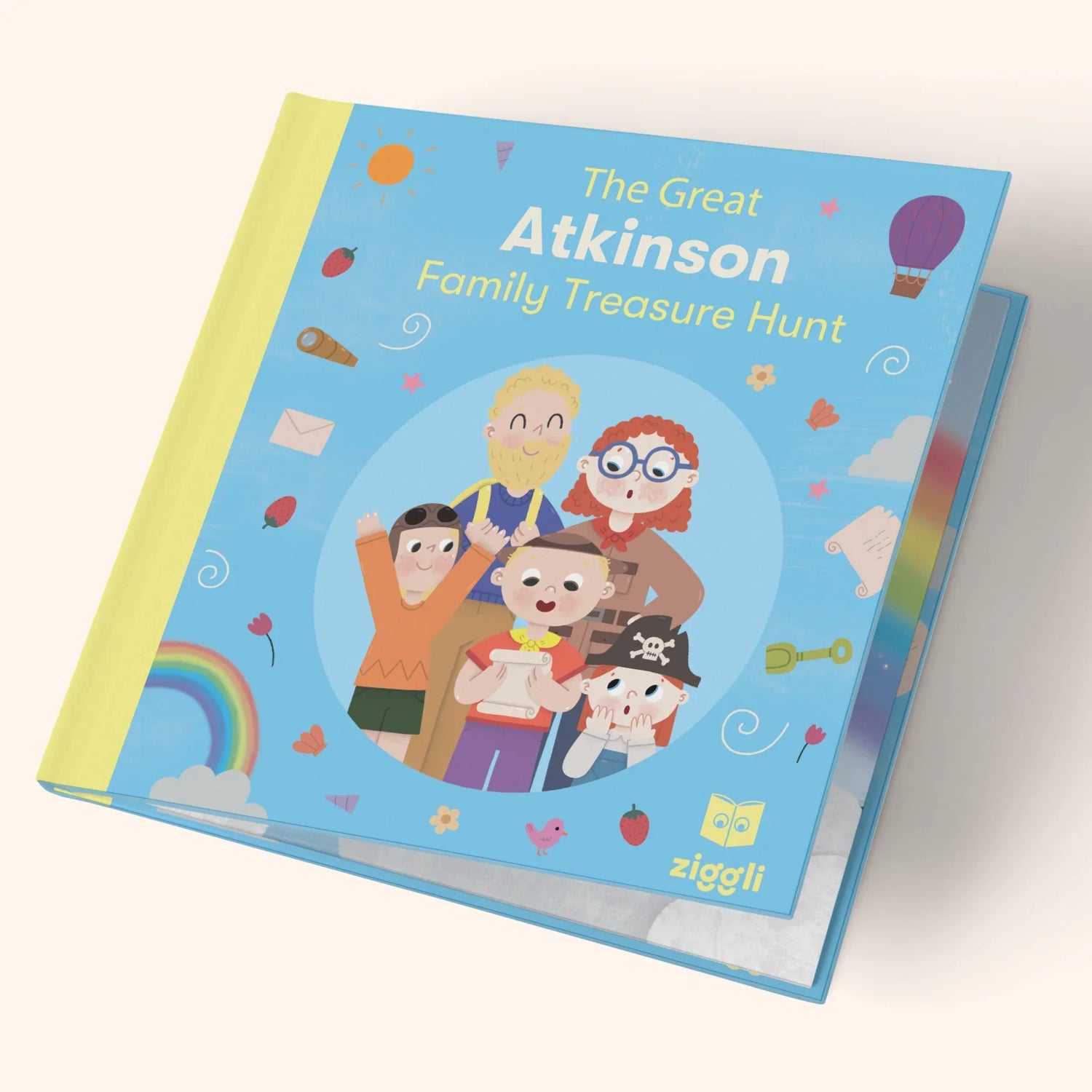
The Great Family Treasure Hunt works differently. You build the book using Ziggli's online customiser, naming the adults and children in your family before the story begins. Two mums and a son. A dad and a stepmum and two daughters. Grandma and Pop and a grandchild. The customiser makes room for the family you actually have.
The story puts your family on a treasure hunt together. There are clues and a map and the satisfying moment of finding something valuable as a crew. On every page, the names belong to your people.
Families describe the first read-through as its own kind of moment. Your child hears their name and the names of the people they love woven into an adventure. The book stops being a story about a family and becomes the story of theirs.
To understand more about why children engage differently with books that reflect their own world, read our piece on why personalised books help children see themselves in stories.
About The Great Family Treasure Hunt
The book features up to two adult figures and three children, each named by you in the customiser before the story begins. The adventure is the same for every family. The heroes are entirely yours.
Building a shelf that reflects every family
No single book carries the whole job. A shelf that gives your child genuine mirrors needs a few different titles, each one treating a different family shape as unremarkable.
Look for books where the family is visible in the illustrations without commentary. Two mums camping. A grandparent baking with their grandchild. A blended family celebrating together. The diversity lives in the images and character names, not in a theme the author announces at the start.
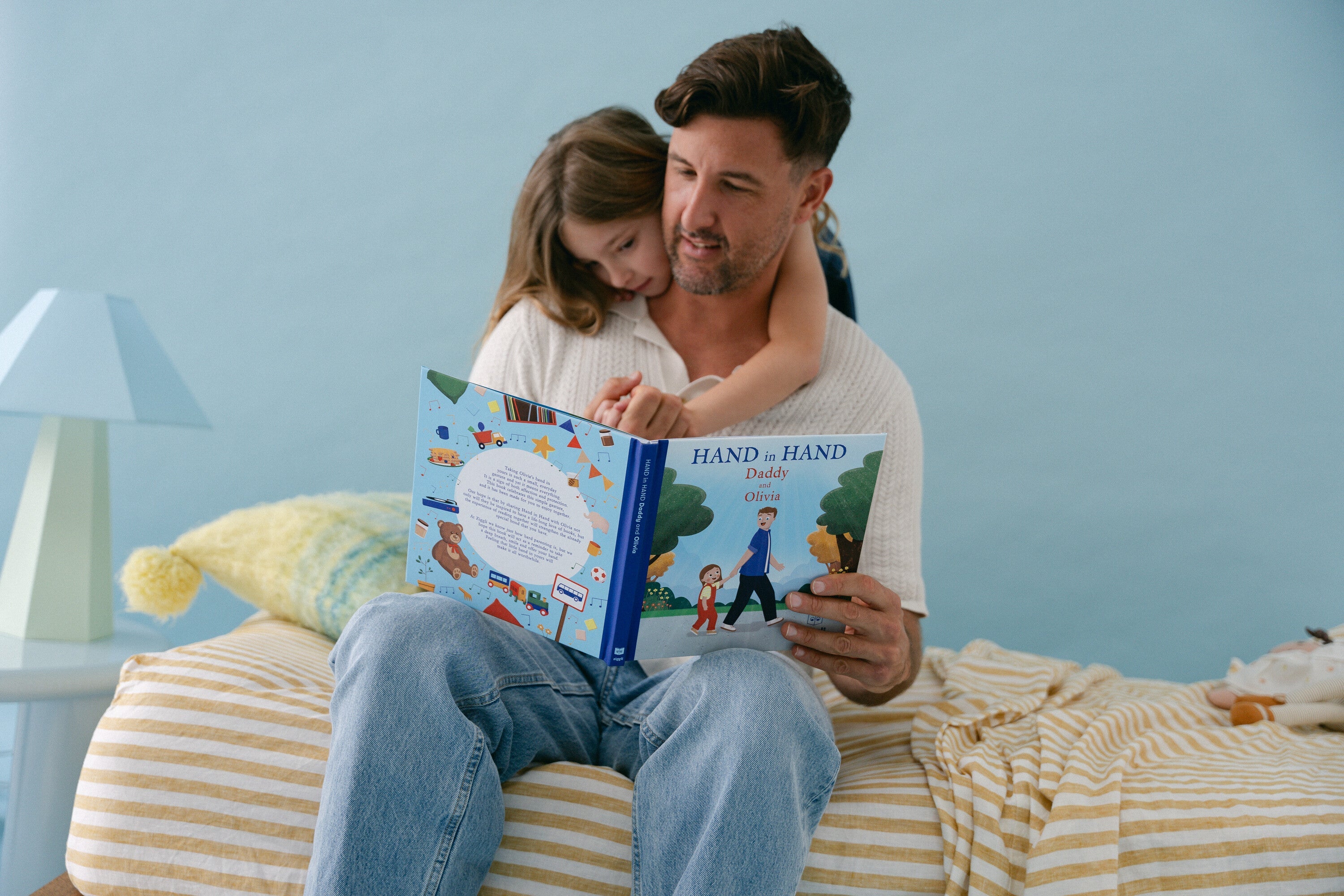
Personalised books sit in a separate category. Among inclusive children's books Australia parents are building their shelves with, personalised titles do something fixed books cannot: they show your family. The names on the page belong to the people your child falls asleep thinking about.
Your child opens the book. The grown-ups on the page have your names. The child in the middle has their name. There is nothing to explain and nothing missing.
That's the version of representation that sits closest to a mirror. A story where the family inside is the one outside the book too.
Their story starts with you
Build a personalised adventure that puts your family at the centre, whatever shape that family takes.
Create your family's story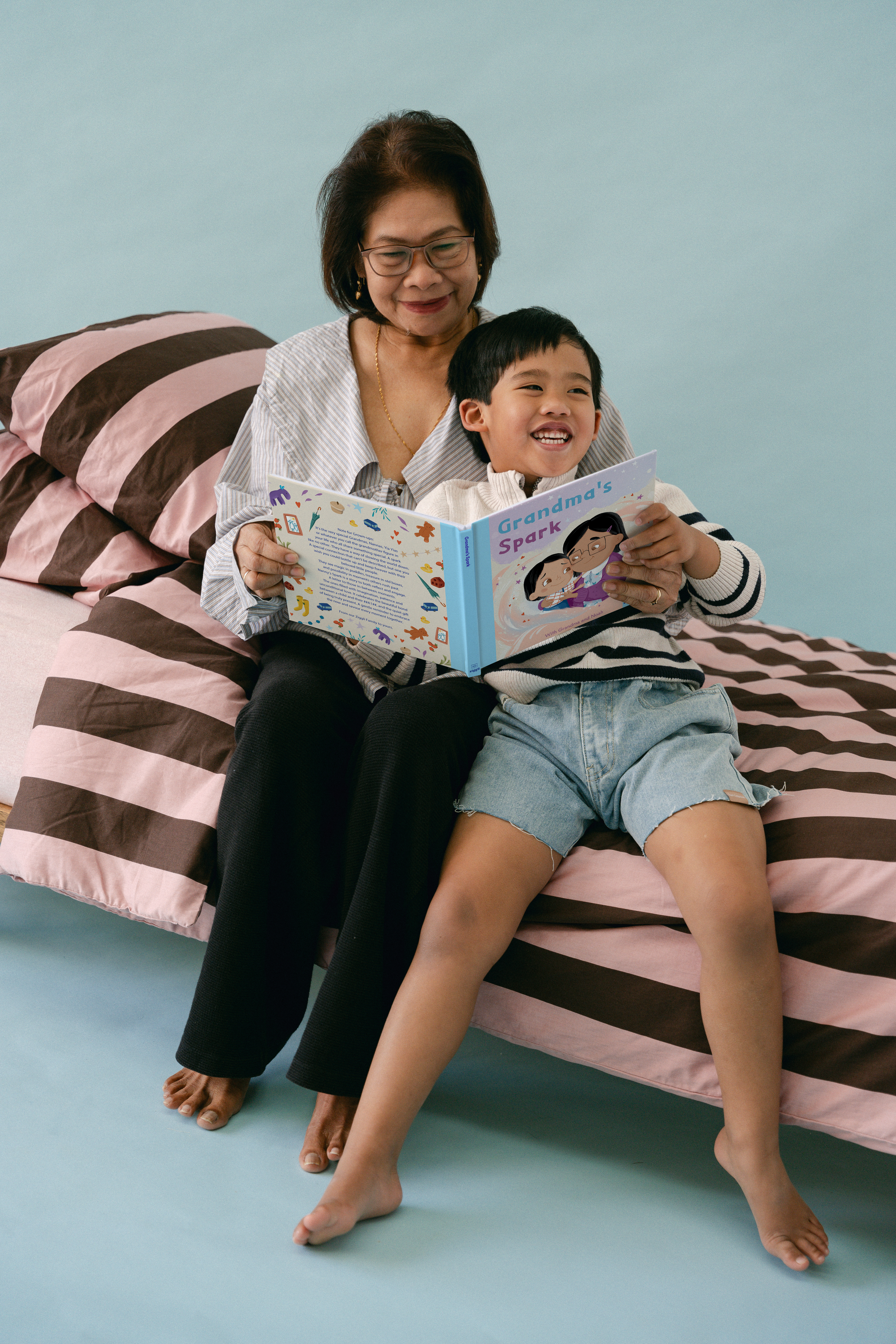

Leave a comment
This site is protected by hCaptcha and the hCaptcha Privacy Policy and Terms of Service apply.