
Representation in Children's Books: Why It Matters
Hand a child a book with their own name on the cover and watch what happens. They lean in. They point at the page. They ask you to read it again before you've even reached the last line. That reaction isn't about the story alone. It's about seeing themselves inside it.
Most children's books were never built with every child in mind. A single skin tone. A single family shape. A single kind of hair, a single kind of body, moving through a single kind of world. For the children who match that mould, it barely registers. For the children who don't, the gap is quiet but constant.
What representation actually looks like on the page
It isn't a slogan on a cover or a single token character tucked into a crowd scene. Real representation shows up in the details: skin tone, hair texture, eye colour, the way a family is drawn together, whether a wheelchair or a hearing aid appears as simply part of a child's world rather than a plot point.
It shows up in who gets to be the main character. Not the sidekick. Not the background face in the classroom. The one the whole story is built around.
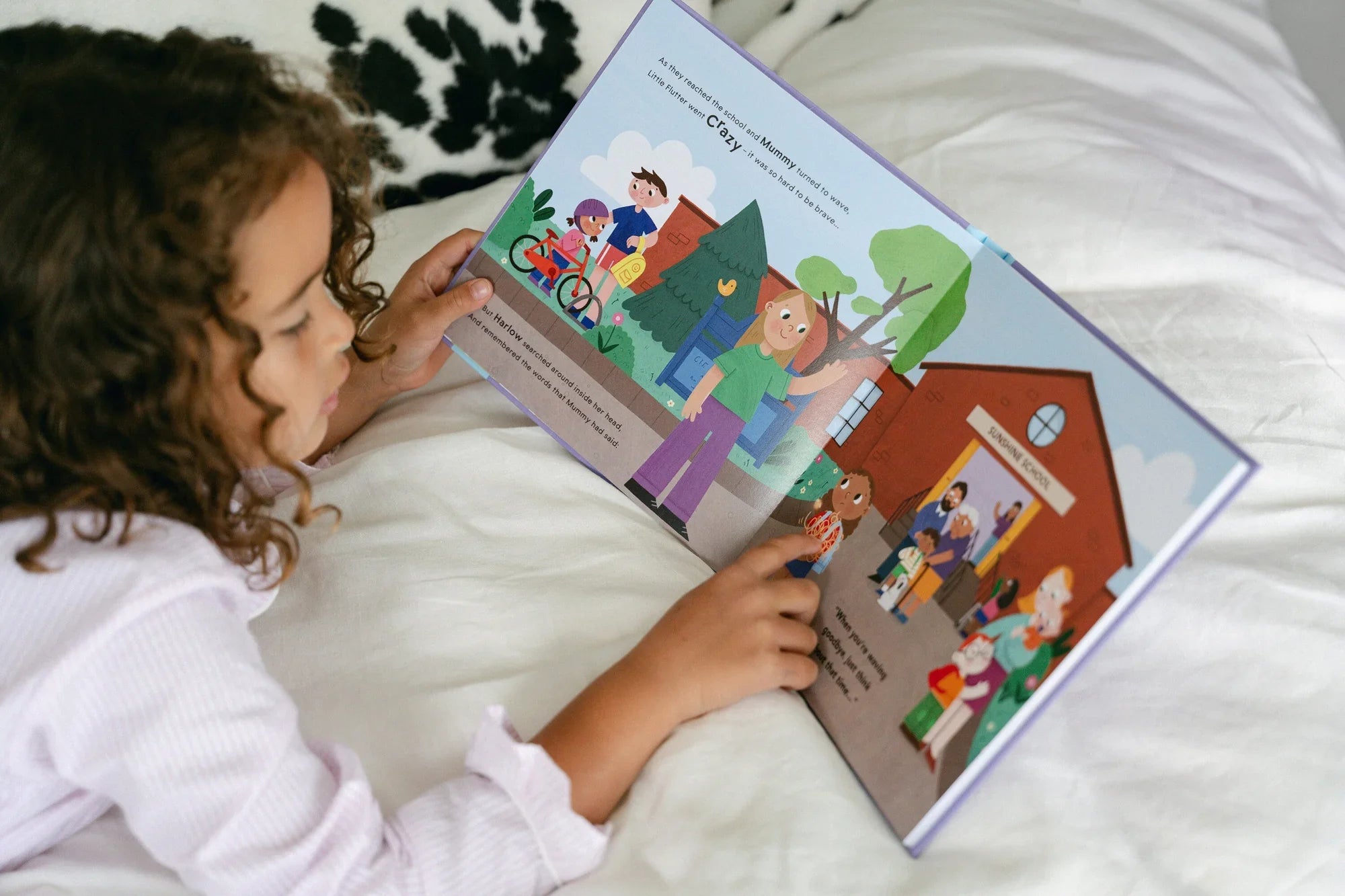
This is the part personalised books do differently to almost anything else on a shelf. Rather than hoping a child stumbles across a character who happens to resemble them, the child builds that character themselves. Name, skin tone, hair, eye colour, and for several Ziggli titles, accessibility and disability representation, all chosen by the family before the story is even printed. Nobody personalises the book for them. They build it, page by page, in the customiser, and then it's theirs.
Why children notice when a book reflects their world
Children are paying closer attention than we sometimes give them credit for. They notice when every face on the page looks different from theirs. They notice when their family, two mums, two dads, one parent, a grandparent raising them, a blended household, doesn't appear anywhere in the stories they're handed.
None of this means a book needs to solve every gap on its own. But a story that reflects a child's real world, their name, their features, the people who tuck them in at night, gives that child a small, steady signal: you belong in stories too. Children tend to engage more deeply with a book when they can see themselves inside it, and that engagement is worth protecting, especially at bedtime, when a story is often the last thing a child hears before sleep.
What Ziggli books let a family build together: name, skin tone, hair, eye colour, and, on several titles, disability and accessibility representation, all chosen in the online customiser before the book is printed.
Family structures deserve the same shelf space
Families come in different shapes, and children notice when a story only ever shows one of them. A book that only ever pictures a mum and a dad quietly excludes the child being raised by two mums, or two dads, or a single parent, or a grandmother who stepped in when it mattered most.
The Great Family Treasure Hunt was built with exactly this in mind. Up to five characters, up to two adults and three children, adapting to reflect one adult and one child, two mums, two dads, blended families or caregivers. A family opens it and sees their own shape reflected back, not as an exception, but as simply how the story goes.
Other titles hold space for specific bonds. Hand in Hand for a daddy and child. Grandma's Spark for a grandma figure and child, with disability and accessibility representation available. Each one starts from the same idea: this bond is worth its own story, told with the real people in it.
Representation your child can build themselves
A shelf of books that happen to feature diverse characters is a start. A book where your child chooses their own skin tone, hair and features, and sees a character who genuinely looks like them on every page, is something else again. It removes the guesswork of hoping the right book exists and puts the choice directly in a family's hands.
This matters just as much for a child who lives with a disability. Several Ziggli titles, including My Hero, allow disability and accessibility representation to be built into the character from the start, rather than treated as an add-on or left out altogether. A child who uses a wheelchair or wears a hearing aid can see a character who moves through the world the same way they do, having an ordinary, joyful adventure, exactly like every other child in every other story.
How to bring more of this home
You don't need to overhaul your whole bookshelf overnight. A few small, deliberate choices go a long way:
- Look for books where the main character, not a side character, reflects your child
- Choose stories that show a range of family structures, including your own
- Where a book can be built rather than bought off the shelf, let your child take part in building it
- Keep a mix on the shelf. Familiar favourites alongside books that stretch your child's view of who gets to be in a story
The books that reflect your child's own name and face tend to become the ones they return to again and again, not because the story changes, but because it's unmistakably theirs.
A child who grows up seeing themselves, and families like theirs, inside the stories they love carries something quiet but lasting: the sense that they belong on the page, not just beside it.
Every child deserves to see themselves in a story made just for them.
Build a character with their name, their features and their family, exactly as they are.
Create their storyRead more: Personalised children's books benefits: why they help kids and Inclusive children's books for every family in Australia.

Leave a comment
This site is protected by hCaptcha and the hCaptcha Privacy Policy and Terms of Service apply.