How Personalised Books Support Early Literacy and Language
Your toddler has heard the same three board books so many times you can recite them from memory. The question is how to push into new territory. New vocabulary. New reasons to keep listening when the day has been long and the room is dark.
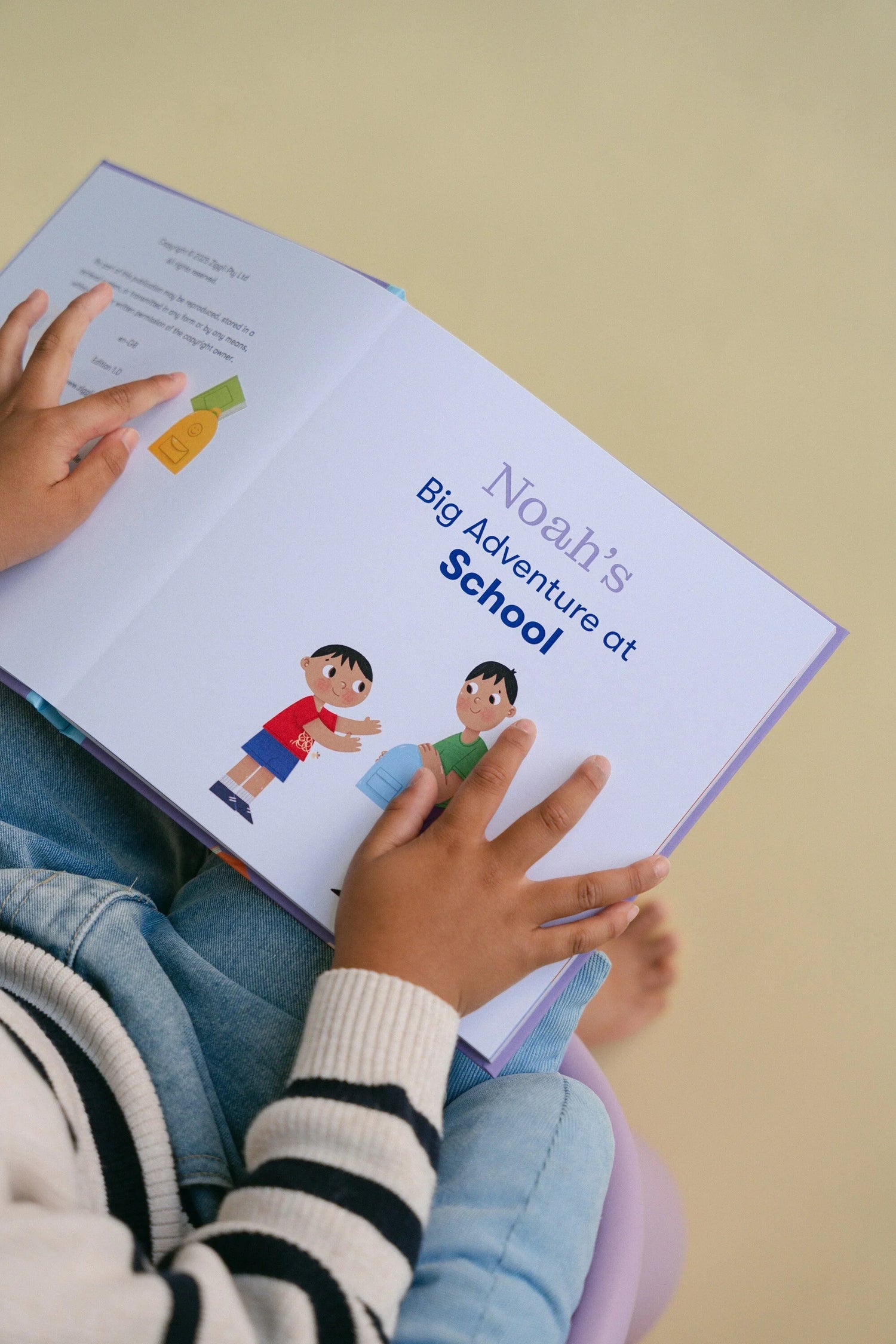
Research into personalised books and early literacy has a clear finding worth knowing. When children encounter their own name in a story, their engagement shifts. They listen with more focus. They recall the story better. They ask to hear the same book again, not because it is familiar, but because it is about them.
This matters more than it might seem. Engagement is the engine of reading development in children, and personalised books create it from page one.
The name recognition effect
Children learn to recognise their own name before they read any other word. The sound of it first, then the shape of it on the page. That name becomes an anchor. A familiar form in an otherwise unfamiliar system of marks and sounds.
A personalised book puts that anchor at the centre of the story from the first page. Your child sees their name in a sentence and hears it read aloud. Their attention sharpens. They begin tracking the page. They notice the letters around their name. The story becomes a reason to look at words.
This is reading development in children at its most natural. The child is not decoding symbols that mean nothing yet. They are finding a symbol they care about, then reaching outward from there into the rest of the sentence and the page.
There is a moment in the first reading of a personalised book where your child stops you mid-sentence. "That's my name." Yes. And they want you to read it again, louder, so they can hear it once more in the story.
The research on personalised books and early literacy
Researcher Natalia Kucirkova, whose work focuses on personalised books and early childhood literacy, found that children show greater engagement and better story recall when they read books featuring their own name. This represents one significant piece of early reading development, among others.
Did you know?
According to researcher Natalia Kucirkova, children show greater engagement and better story recall when they read books featuring their own name. The personalised element bridges your child's known world and the new language on the page.
Engagement matters because it determines how long a child stays with a book and how often they return to it. Every return to the story is another pass through the vocabulary and another reinforcement of how written language sounds when read aloud.
Books for language development in toddlers work best when the child is motivated to listen. Personalised books create that motivation from the first page, because the story is about someone they recognise: themselves.
Vocabulary and story structure
Children acquire new words faster through conversation and storytelling than through instruction. When you read a personalised book aloud, you are modelling sentence structure and giving your child the rhythm of written language in a context they find absorbing.
A child who asks to hear the same personalised book five nights in a row receives five passes through the same vocabulary. They begin to anticipate phrases and to finish sentences before you reach them. This is early literacy in motion, and it does not feel like a lesson. It feels like a favourite story.
Reading development in children follows this pattern: interest drives engagement, and engagement drives repetition until new words become familiar. A book your child chooses to hear again is the most effective vocabulary resource available to you at bedtime.
The fifth reading of a book your child loves is worth more than the first reading of ten books they care nothing about. Children learn through repetition, and repetition feels like a favourite story when the book is right.
Early literacy tips for reading with a personalised book
A personalised book is a tool. These early literacy tips help you get the most from it at bedtime.
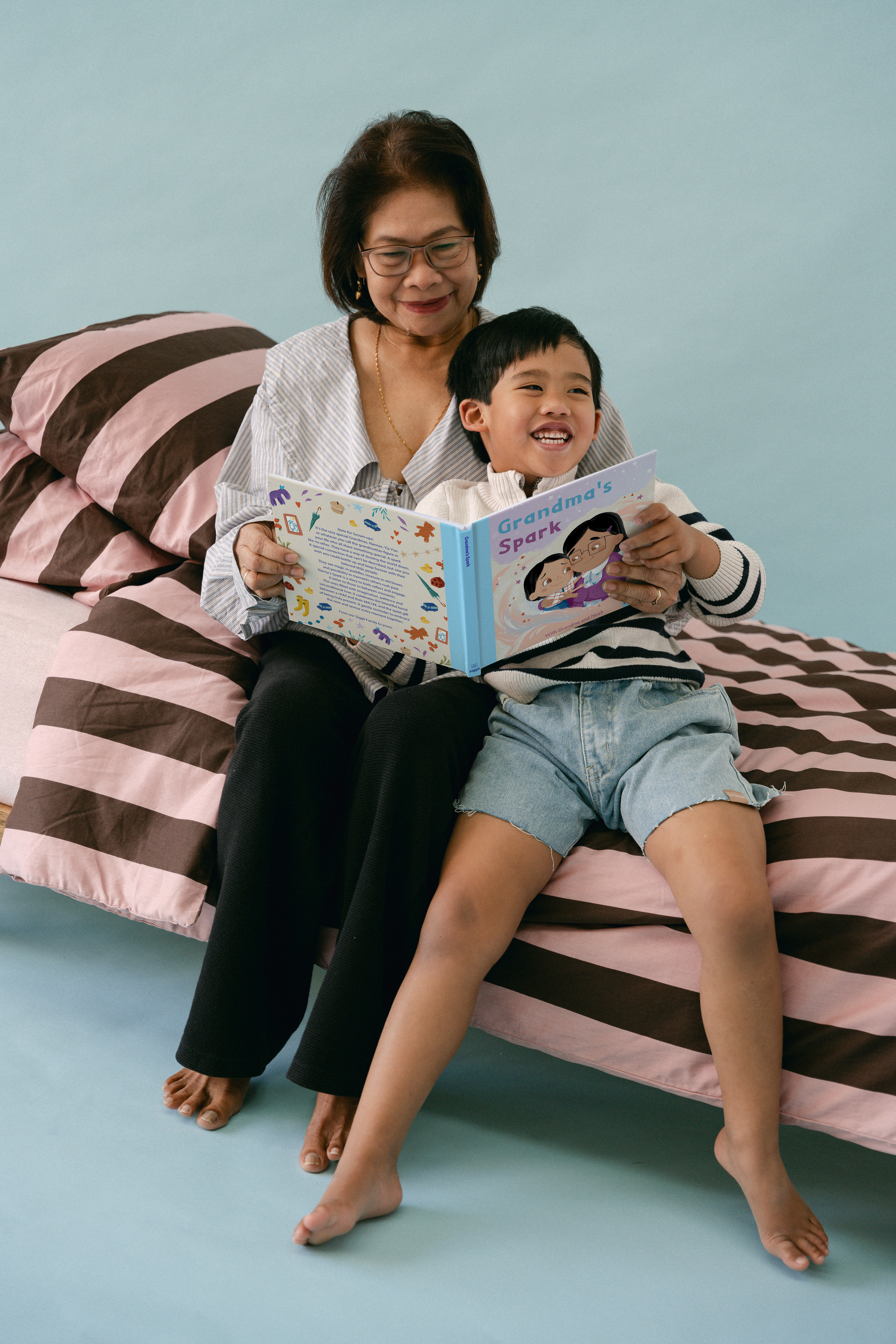
Run your finger under the words as you read. Your child's eye follows your hand. They begin to track from left to right and to notice where words start and stop. This is print awareness, and it builds long before a child reads their first word on their own.
Pause at their name and let them say it. Every time their name appears in the story, slow down and leave a gap. Your child will fill it. And they will notice that the word on the page matches what they just said. That is a powerful thing to learn.
Ask questions into the story. "The book says they went to the park today. Do you think they were nervous or excited?" This builds comprehension before your child reads on their own. They learn that stories carry meaning and information.
Let them hold the book. Children who handle books develop a physical relationship with reading. They learn which way a book opens and that a cover always comes before the story begins. These foundations matter before formal reading starts, and they come from time spent with books in hand.
For more on building a reading habit your child looks forward to, see our guide to building a bedtime reading routine your child will love.
Personalised books for toddlers and language development
Toddlers are in a vocabulary explosion. Between 18 months and three years, most children go from two or three words to several hundred. The language they hear and see during this period shapes what they know how to say in the years that follow.
Books for language development in toddlers work best when they include rich vocabulary, rhyme and repetition. A personalised book adds one more element: your child's name as an anchor inside sentences they can follow and absorb.
A line like "[Name] felt brave" gives a toddler two things at once: their name as a reading signal and the word "brave" in context, attached to a character they know. They may not read that sentence for years. They understand it tonight, and that understanding is the foundation everything else builds on.
The key finding on personalised books and literacy
Personalised books support early literacy by increasing the motivation to engage with books in the first place. A child who wants to hear the story again is a child who is learning, one bedtime at a time.
Choosing a personalised book for your child
Ziggli writes and illustrates its personalised children's books for children from birth through early primary school. Use the online customiser to bring your child's name and character into a story that looks like your family.
If you are putting together a reading library for language development and early literacy, a personalised book sits alongside your other reads as the one your child asks for most. They may not be able to explain why. The reason is that the story belongs to them.
For more on how personalised books support child development and connection, read our piece on why personalised books help children see themselves in stories.
You do not need to teach a child to love a book where they are the hero. You read page one. They do the rest.
Their reading journey starts here
Build a personalised book that puts your child's name at the heart of the story, from the very first page.
Start their reading journey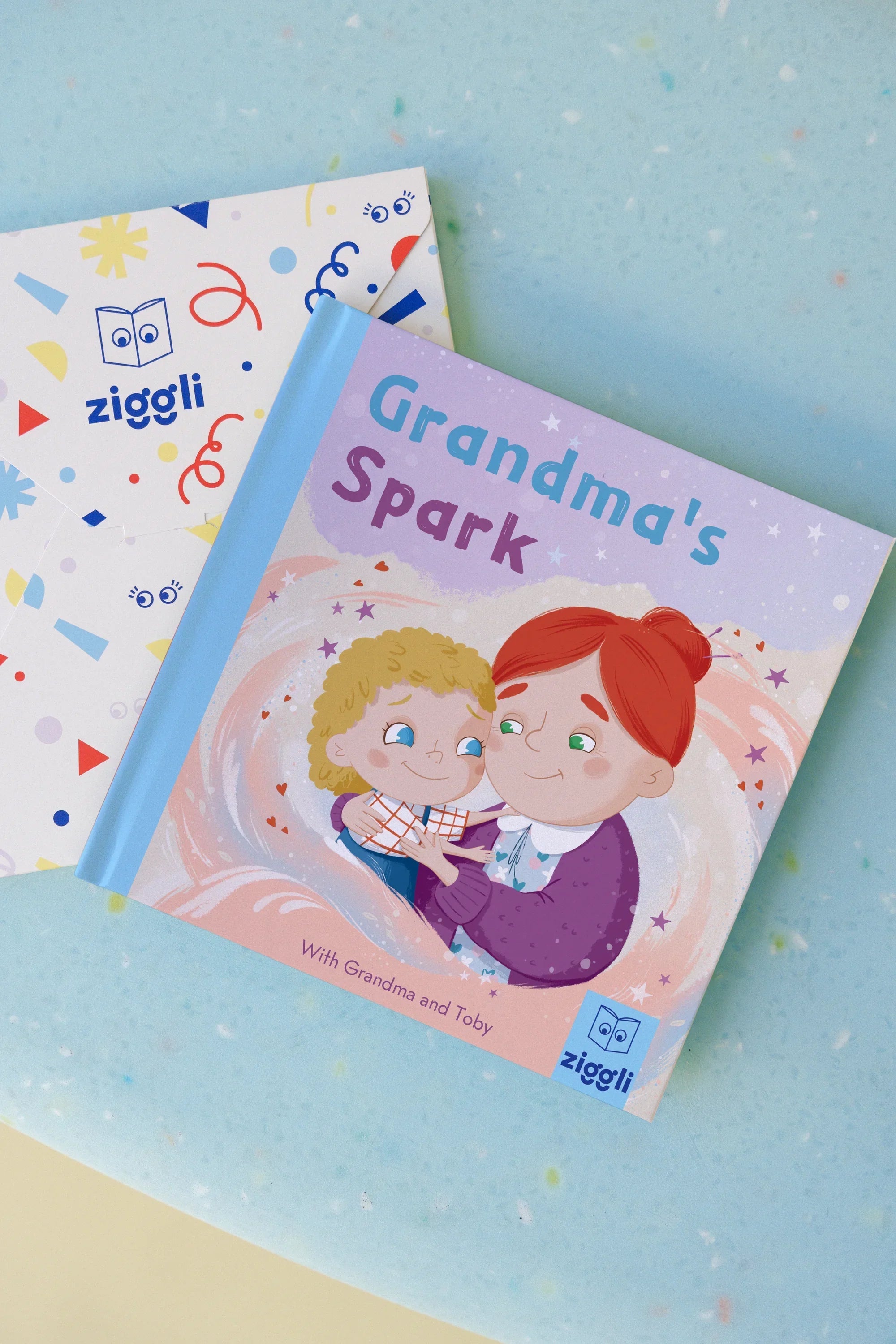

Leave a comment
This site is protected by hCaptcha and the hCaptcha Privacy Policy and Terms of Service apply.